
Advocacy for students

Every Student Deserves to Be Heard and Understood
Students make greater progress when their needs are recognized, their perspectives respected, and the adults around them know how to turn concerns into constructive action.
SpED Solutions Uncomplicated provides Advocacy for Students that helps families, educators, and school teams approach decisions with greater clarity and a shared commitment to the student’s experience.
Turn Concerns into Purposeful Action
Effective Advocacy for Students is not about creating conflict or speaking over others. It is about asking informed questions, clarifying priorities, and helping everyone understand what the student needs to participate and progress.
Thoughtful advocacy may help:
- Organize concerns before meetings
- Clarify goals and next steps
- Improve family-school communication
- Encourage student participation
- Strengthen follow-through
When conversations are focused and well prepared, decisions become easier to understand and more likely to produce meaningful results.
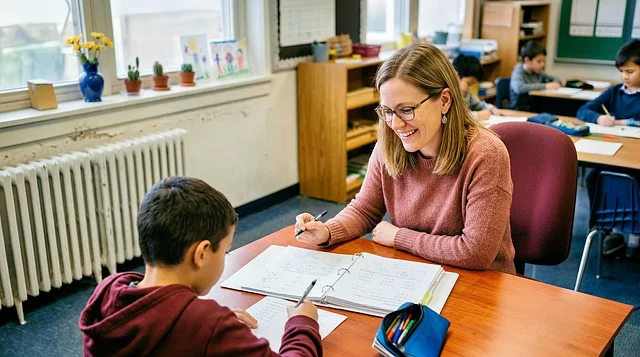

Protect Access Through Advocacy for Students with Disabilities
Students with disabilities may encounter barriers that are not immediately visible. Advocacy for Students with Disabilities helps bring those barriers into focus while encouraging decisions grounded in access, dignity, and individual need.
Support may involve reviewing concerns, preparing for meetings, strengthening collaboration, and determining whether educational supports are understood and implemented consistently.

Keep Learning Moving with Academic Advocacy for Students
Make Every Conversation Count
A student’s future can be shaped by whether the right question is asked at the right time. Effective advocacy brings preparation, perspective, and purpose to decisions that might otherwise feel overwhelming.
With clearer priorities and stronger collaboration, educational conversations can become a source of progress rather than frustration.
Frequently Asked Questions
What does student advocacy involve?
Who can benefit from advocacy support?
Can advocacy help before a formal meeting?
How does academic advocacy support learning?
Does advocacy replace collaboration with the school?
No. Effective advocacy strengthens collaboration and helps stakeholders work toward a clearer, student-centered direction.